
Understanding the Process of Interpol Red Notice Removal
The law can be a complex domain, and when it comes to international law enforcement actions such as an Interpol Red Notice, the implications can be serious. For individuals who find themselves on the receiving end of a Red Notice, the journey toward removing that notice can be fraught with challenges. In this article, we will explore the key aspects of Interpol red notice removal Interpol Red Notice Removal, the conditions under which a notice can be contested, and the legal frameworks that govern such processes.
What is an Interpol Red Notice?
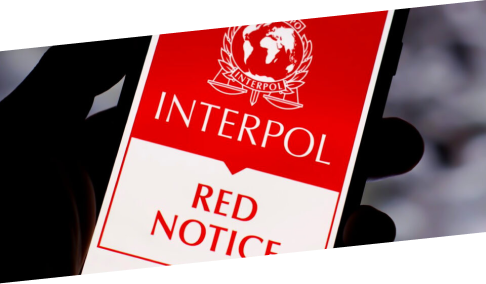
Interpol, or the International Criminal Police Organization, issues Red Notices to alert member countries about wanted persons. These notices are not arrest warrants; instead, they function as requests to locate and provisionally arrest an individual pending extradition. A Red Notice can affect a person’s ability to travel internationally and can lead to arrest if they enter any of the 195 member countries.
The Implications of a Red Notice
Having a Red Notice issued against you can significantly impact your life. It can prevent you from traveling freely, damage your reputation, and complicate your professional and personal relationships. Moreover, the way Red Notices are perceived can differ across jurisdictions, making it vital to understand the specific ramifications based on the countries involved.
Grounds for Removal of a Red Notice
Individuals seeking to remove a Red Notice must understand the legitimate grounds for requesting such a removal. Common reasons include:
- Lack of Evidence: If the charges leading to the Red Notice are unsubstantiated or based on insufficient evidence, this can be grounds for removal.
- Political Motivation: Red Notices issued for political reasons rather than legitimate criminal accusations can be contested under Interpol’s regulations.
- Human Rights Violations: If an individual faces persecution or human rights abuses due to the charges, they can argue for the notice’s removal.
- Withdrawal of Charges: If the country that requested the Red Notice withdraws the charges, the notice should be removed automatically.
The Procedure for Removal
The process for removing an Interpol Red Notice involves several key steps:
- Your Legal Representation: Engaging a lawyer experienced in international law and familiar with Interpol’s procedures is crucial. They can help you navigate the complexities of the legal landscape.
- Submission of a Request: Your legal team will need to prepare a formal request for removal, which includes evidence supporting your case. The application must be submitted to the Commission for the Control of Interpol’s Files (CCF).
- Evaluation by the CCF: The CCF will review the request and make a determination based on the merits of the case. This process can take several months or longer, depending on the specifics.
- Appeal, If Necessary: If the CCF denies the request for removal, it is possible to appeal the decision. This involves providing additional evidence or arguments to support your case.
International Context and Legal Framework
The removal of a Red Notice also requires an understanding of the international legal context in which Interpol operates. Interpol’s constitution prohibits it from intervening in political, military, religious, or racial matters. Therefore, any evidence that suggests the notice is politically motivated can be crucial for a successful removal.
Country-Specific Considerations
Each member country has its own legal system, which may affect how a Red Notice is handled. Factors such as extradition treaties, bilateral relations, and local laws can all play a role in how a Red Notice is enforced and whether it can be contested effectively.
Challenges in the Removal Process
The path to removing a Red Notice is not without its challenges. Some of the most common obstacles include:
- Documentation and Evidence: Gathering the necessary evidence to support your case can be difficult, especially if documentation is lacking or inaccessible.
- Complexity of International Law: The intersection of various legal systems can complicate your case. Not all countries may interpret laws or the validity of the Red Notice in the same way.
- Time Constraints: The removal process can be lengthy, and during this time, individuals may face continued legal and personal challenges as a result of the active Red Notice.
Conclusion
Removing an Interpol Red Notice is a complex yet crucial endeavor for anyone facing such a situation. Understanding the grounds for removal, engaging knowledgeable legal representation, and navigating the intricate procedures with care are essential steps for success. While it can seem daunting, achieving a removal can restore one’s freedom and peace of mind, enabling individuals to move forward with their lives without the perpetual shadow of an unjust notice looming over them.
Get Professional Assistance
If you or someone you know is facing the challenges of an Interpol Red Notice, it is vital to seek professional legal assistance. Experienced lawyers specializing in international law can guide you through the necessary steps and help build a strong case for removal. Do not let a Red Notice dictate your future; take proactive measures to clear your name.