
Understanding the Process of Removal from Sanctions Lists
The issue of sanctions and their removal is a complex topic in international law and policy that is increasingly relevant in today’s geopolitical landscape. Individuals and entities often find themselves on sanctions lists due to various political, security, or ethical reasons. Navigating the removal from these sanctions lists is a critical process, and seeking expert guidance can be invaluable. One such expert is an Removal from Sanctions Lists International Law Firm specializing in these matters.
What Are Sanctions?
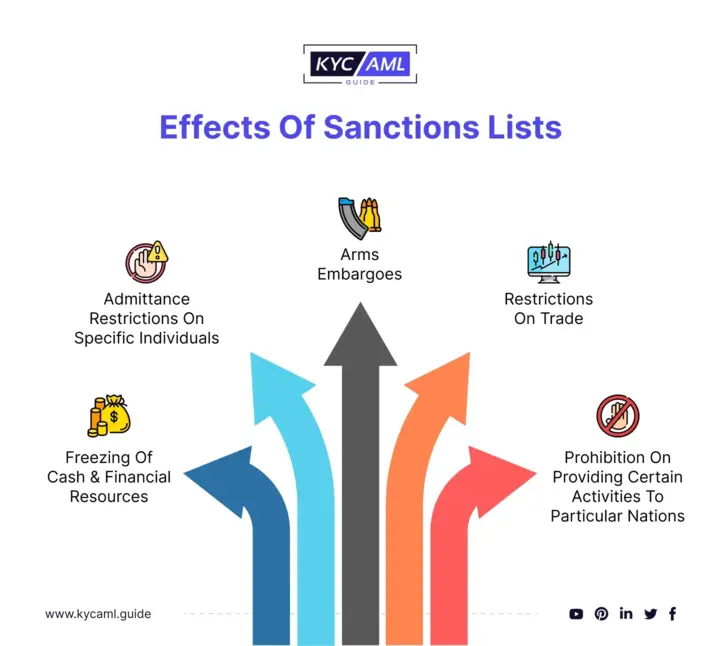
Sanctions are measures intended to coerce, deter, or punish a country, organization, or individual for specific actions deemed undesirable by the international community or certain nations. They may include trade restrictions, asset freezes, travel bans, and other punitive measures. Sanctions can be imposed by individual countries, coalitions like the European Union, or international bodies like the United Nations.
Types of Sanctions
Sanctions can be broadly classified into two categories: unilateral sanctions and multilateral sanctions. Unilateral sanctions are imposed by one country, while multilateral sanctions are agreed upon by multiple countries or international organizations. Here are some common types:
- Economic Sanctions: These include financial restrictions, trade barriers, or asset freezes against individuals or nations.
- Diplomatic Sanctions: Measures that reduce or sever diplomatic ties, such as expelling diplomatic personnel.
- Military Sanctions: These may involve arms embargoes or restrictions on military cooperation.
- Cultural Sanctions: Restrictions on cultural exchanges and cooperation.
The Need for Removal from Sanctions Lists
Being on a sanctions list can have severe repercussions, including loss of business opportunities, compromised reputations, and restricted personal freedoms. Therefore, the removal from sanctions lists is often sought to restore normalcy and mitigate these adverse effects. The process may involve legal proceedings, as well as negotiations with the authorities that imposed the sanctions.
Reasons for Sanction Imposition
Sanctions can be imposed for a wide range of reasons. Some common considerations include:
- Involvement in international terrorism.
- Violations of human rights.
- Engagement in aggressive military actions.
- Support for authoritarian regimes.
Understanding the Removal Process
The process of removal from sanctions lists can be cumbersome and requires a strategic approach. Below are common steps that should be followed:
- Review the Grounds for Sanction: Understanding why sanctions were imposed is critical. This information is usually provided in the sanction notification.
- Gather Evidence: Compile evidence demonstrating that the grounds for sanctions are no longer applicable. This may involve legal documents, letters of clearance, or other pertinent information.
- Legal Representation: Securing legal representation is vital. A qualified attorney familiar with international law and sanctions can significantly enhance the chances of successful removal.
- File an Application: Once the evidence is compiled, an application for removal must be filed to the relevant sanctions authority. This stage often requires detailed documentation and adherence to specific procedures.
- Engage in Negotiations: Often the process requires engaging with relevant authorities. Skilled negotiators can help facilitate discussions to achieve favorable outcomes.
- Await a Decision: After submission, there may be a waiting period during which the authorities will review the application. Patience is essential as this process can be lengthy.
Legal Avenues for Removal
Different jurisdictions have varied systems for sanctions removal. For instance, in the United States, individuals may seek relief through the Office of Foreign Assets Control (OFAC). In the European Union, individuals can challenge their listing in the courts. The legal rationale for removal may hinge on arguments related to due process or violation of legal standards. Understanding the specific legal framework pertinent to your case is crucial for successfully navigating this process.
The Role of International Law Firms
Given the complexity of international sanctions law, consulting with an International Law Firm can provide necessary insights and strategic advantages. These firms specialize in understanding the intricacies of sanctions and can assist with effective legal representation. Their expertise in navigating the legal landscape, representing clients in negotiations, and ensuring compliance with all necessary requirements can streamline the removal process significantly.
Challenges in the Removal Process
While removal from sanctions lists is indeed possible, various challenges may arise. These include:
- Opaque decision-making processes.
- Lack of transparency regarding the reasons for sanctions imposition.
- Potential political motivations behind sanctions that may not be easily addressed through legal means.
- Long timeframe for resolution, leading to protracted uncertainty for individuals and entities.
Conclusion
In conclusion, the process of removal from sanctions lists requires diligence, understanding, and often expert legal guidance. A nuanced approach focused on legal representation and strategic negotiations can significantly enhance the chances of success. As geopolitical dynamics continue to evolve, the importance of navigating sanctions becomes increasingly critical for those affected. Legal professionals, especially those at an International Law Firm, play a fundamental role in assisting individuals and entities in overcoming the obstacles associated with sanctions and restoring their reputational and operational normalcy.